Personal Statement Service UK | Medicine & Dentistry

Personal Statement

Medical, Dental and Oxbridge Personal Statement Examples

Writing a personal statement for Medicine, Dentistry, Oxford or Cambridge requires more than listing your grades and experiences. You need to explain your motivation, demonstrate academic preparation and reflect on what you have learnt.

Use the free personal statement examples below to understand how applicants can structure their answers to the new UCAS personal statement questions.

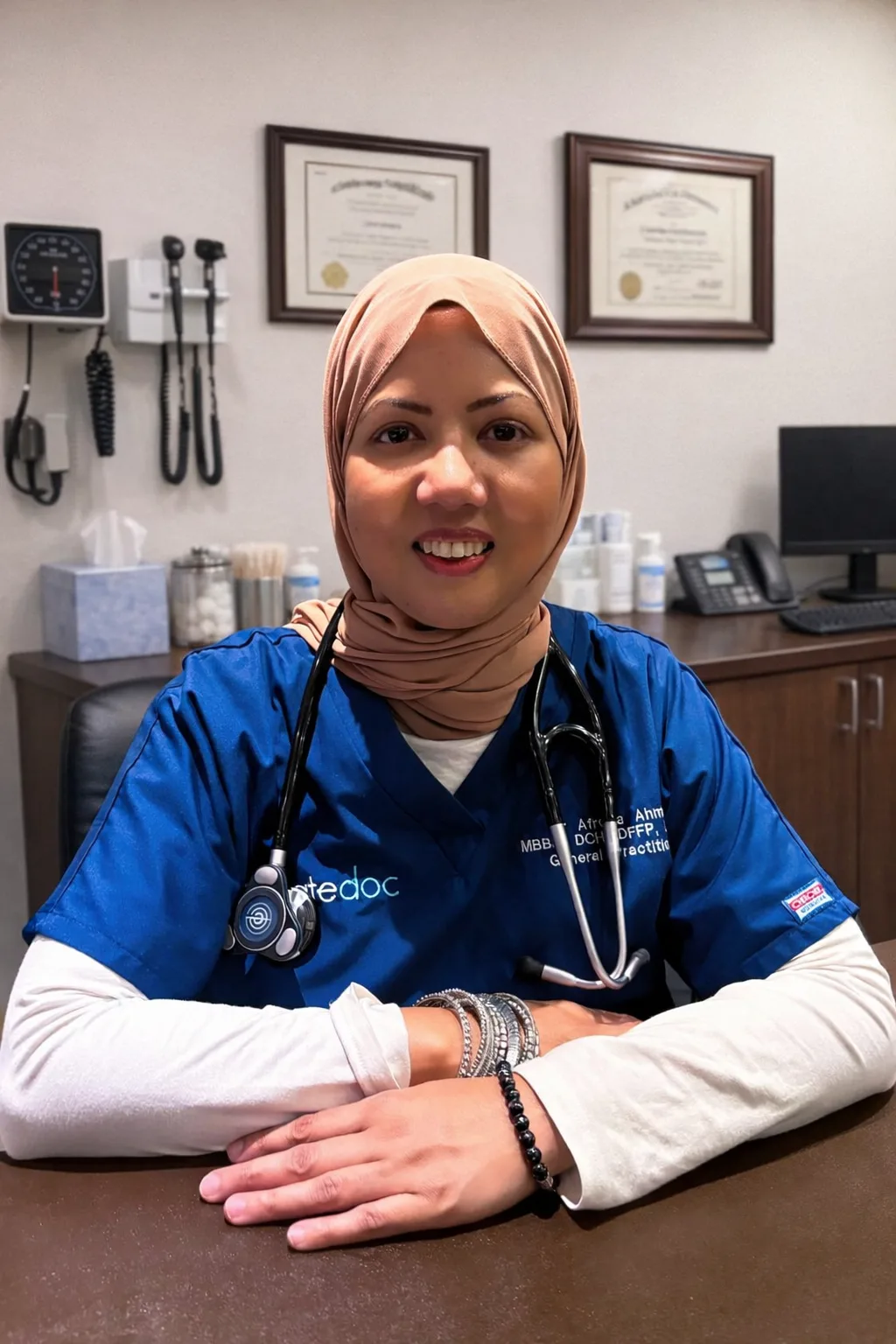
Watch Dr Ahmed’s guide on how to start your PS

Free Personal Statement Examples

Choose the example most relevant to your application.

Medical Personal Statement Example

See how a Medicine applicant can demonstrate motivation, scientific interest, understanding of the profession and reflection on work experience.

View the free medical personal statement example

Dental Personal Statement Example

Learn how to discuss your interest in Dentistry, oral healthcare, patient communication, practical skills and dental work experience.

View the free dental personal statement example

Oxford Personal Statement Example

Explore how an Oxford-focused personal statement can demonstrate academic curiosity, wider reading and critical engagement with scientific ideas.

View the free Oxford personal statement example

Cambridge Personal Statement Example

See how a Cambridge applicant can present super-curricular activities, independent learning and analytical thinking.

View the free Cambridge personal statement example

These examples should be used for guidance only. Do not copy their wording, experiences or conclusions. Your personal statement must remain an accurate account of your own preparation and interests.
5 Key Considerations Before Applying to UK Dental School

What Are the New UCAS Personal Statement Questions?

The UCAS personal statement is now divided into three questions:

  1. Why do you want to study this course or subject?
  2. How have your qualifications and studies helped you prepare?
  3. What else have you done outside education, and why are these experiences useful?


Applicants have a combined maximum of 4,000 characters, including spaces. The answers are considered together, so each section should contribute different evidence without unnecessary repetition.

Question 1: Why Do You Want to Study the Course?

Explain why you want to study Medicine, Dentistry or your chosen Oxbridge subject.

Strong answers may refer to:

  • a scientific or clinical topic you investigated;
  • wider reading or independent research;
  • relevant work experience;
  • a lecture, project or academic programme;
  • an experience that developed your understanding of the profession.

Avoid generic claims such as “I want to help people” unless you support them with specific evidence.

Question 2: How Have Your Studies Prepared You?

Connect your academic experience to the course.

You might discuss:

  • relevant A-level or International Baccalaureate subjects;
  • laboratory work;
  • an Extended Project Qualification;
  • scientific research or data analysis;
  • essay writing or problem-solving;
  • online university courses.

Do not simply list your subjects. Explain what you learnt and why it will help you succeed at university.

Question 3: What Have You Done Outside Education?

This section can include:

  • medical or dental work experience;
  • volunteering;
  • caring responsibilities;
  • employment;
  • virtual work experience;
  • wider reading;
  • outreach programmes;
  • sustained extracurricular activities.

Reflection matters more than prestige. Explain what you observed, what you learnt and how the experience affected your understanding.

A useful structure is:

Experience → Observation → Learning → Relevance

What Our Personal Statement Service Includes

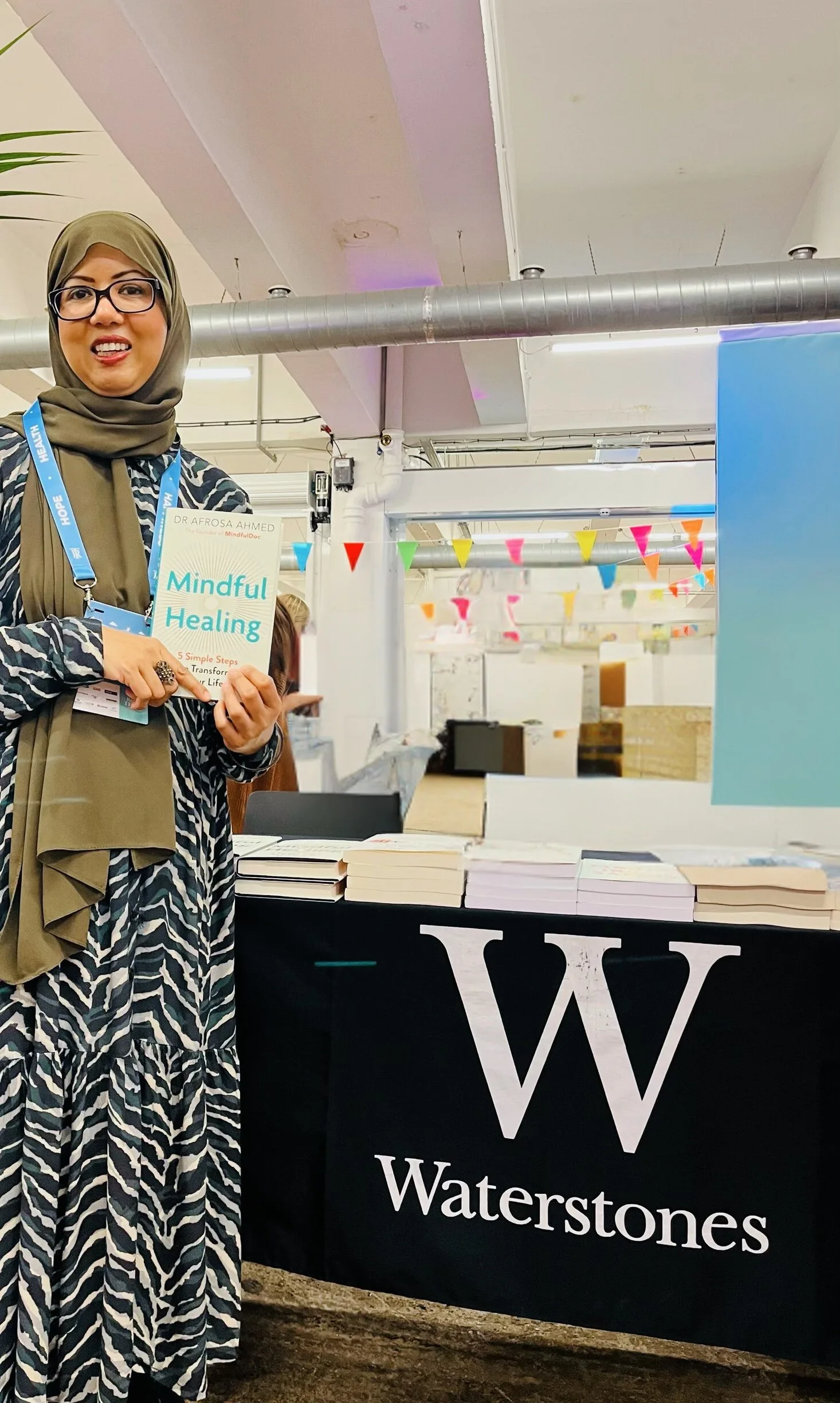
Webinar by Dr Afrosa Ahmed

The webinar explains how to approach the new UCAS personal statement format, including:

  • how to structure the three answers;
  • what to include in each section;
  • how to demonstrate motivation and insight;
  • how to reflect on work experience;
  • common mistakes to avoid;
  • examples written in the new format.

Book Dr Ahmed’s Webinar

1-to-1 Personal Statement Review

During an online review, a Dr Admissions Super Tutor assesses your draft line by line. The review considers:
content and structure;

  • whether all three questions are answered;
  • the quality of your reflection;
  • clarity and flow;
  • unnecessary repetition;
  • weak or irrelevant content;
  • areas requiring stronger evidence.

The tutor helps you improve your own statement without writing it on your behalf.

Book 121 PS Review

Common Personal Statement Mistakes

Avoid:

  • listing activities without reflection;
  • making unsupported claims about your qualities;
  • using generic openings or quotations;
  • repeating the same evidence across questions;
  • including technical terminology without analysis;
  • copying phrases from example statements;
  • exaggerating experiences or achievements.

Your statement should be specific, concise and easy to discuss during an interview.

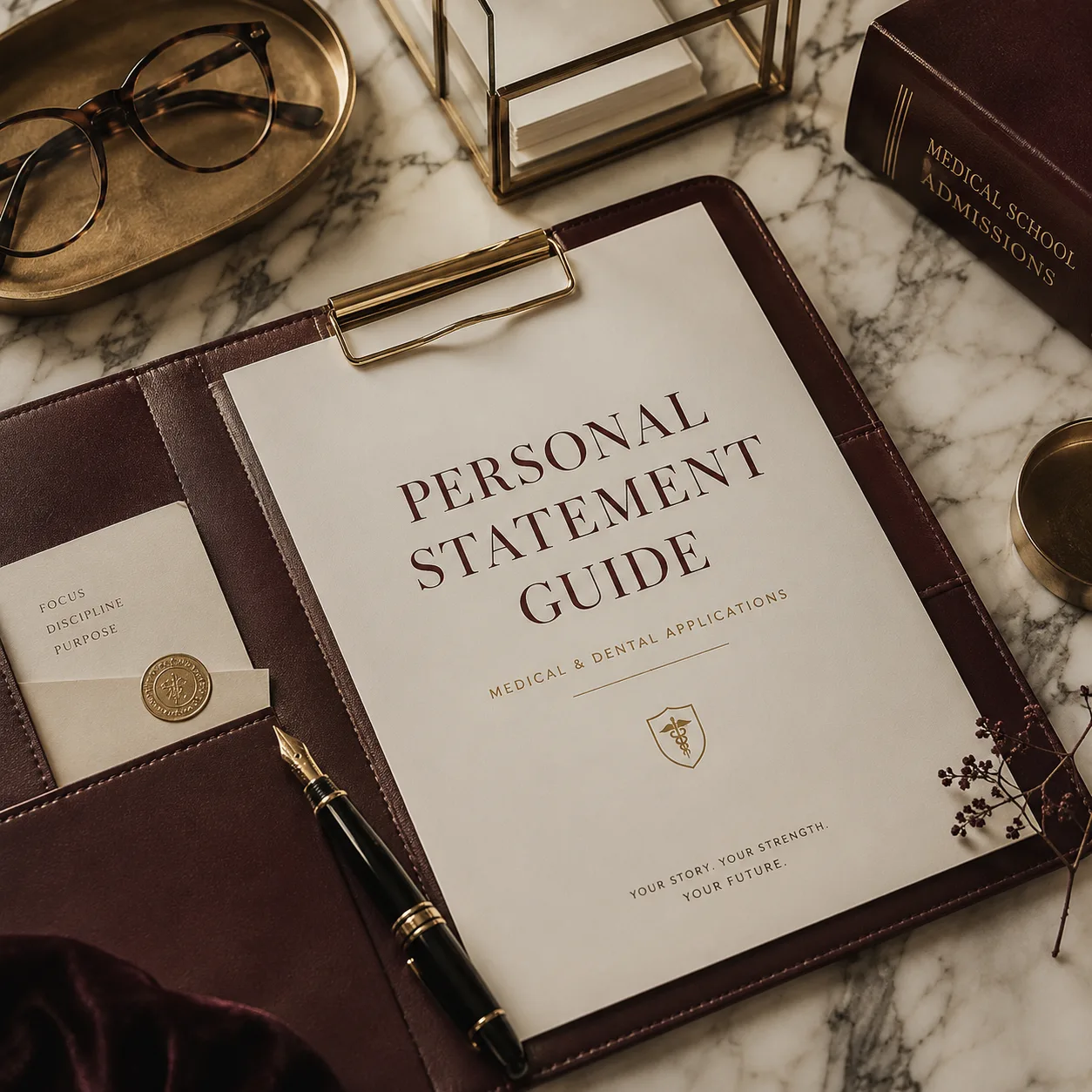
Get your Free PS Guide

Personal Statement Checklist

Before submitting, check that you have:

  • answered all three UCAS questions;
  • remained within the 4,000-character limit;
  • demonstrated clear motivation;
  • supported claims with evidence;
  • reflected on relevant experiences;
  • connected your studies to the course;
  • removed repeated or irrelevant content;
  • checked spelling and grammar;
  • written everything in your own words.

From Personal Statement to Interview

Your personal statement gets you noticed — but your interview gets you the offer.

The next stage is the most important, and often the one students feel least prepared for.

Prepare properly with our Consultant-led interview course and learn exactly what medical and dental schools are looking for.

Book Your Interview Course

FAQ

Are personal statements important?

Yes, but their importance varies by university and course. Some medical and dental schools use the personal statement during shortlisting, while others use it mainly for interview preparation or contextual review.

A strong personal statement can still help by demonstrating clear motivation, relevant preparation and thoughtful reflection. It may also provide material for interview questions, so every claim should be accurate and ensure your statement is high quality.

How long is the UCAS personal statement?

The three answers have a combined maximum of 4,000 characters, including spaces.

Can I use the same statement for Medicine and Dentistry?

This is generally ineffective. Medicine and Dentistry require different motivations, professional understanding and supporting evidence.

What should Oxbridge applicants include?

Oxford and Cambridge applicants should demonstrate academic curiosity, wider reading and independent engagement with their chosen subject.

Can I copy a personal statement example?

No. Examples should only be used to understand the structure, content, and expected depth of reflection. But if you are re-applying, you can use your own personal statement again.

    Book Courses

      Book A Free Consultation

      UCAT Courses 2026

      UCAT 2026 Courses

      2025 students scored 2650 and 2620

      View UCAT courses