





We are incredibly grateful to Dr Afrosa and her team (Dr Admissions) for the guidance and support they gave our daughter throughout her medical school application journey.
Applying for medicine can be stressful, and as parents, it was difficult to know which universities would be the best strategic choices for her individual profile. Dr Afrosa and her team provided clear, knowledgeable and personalised guidance on her medical university applications, helping us make informed decisions rather than simply applying based on university rankings or reputation.
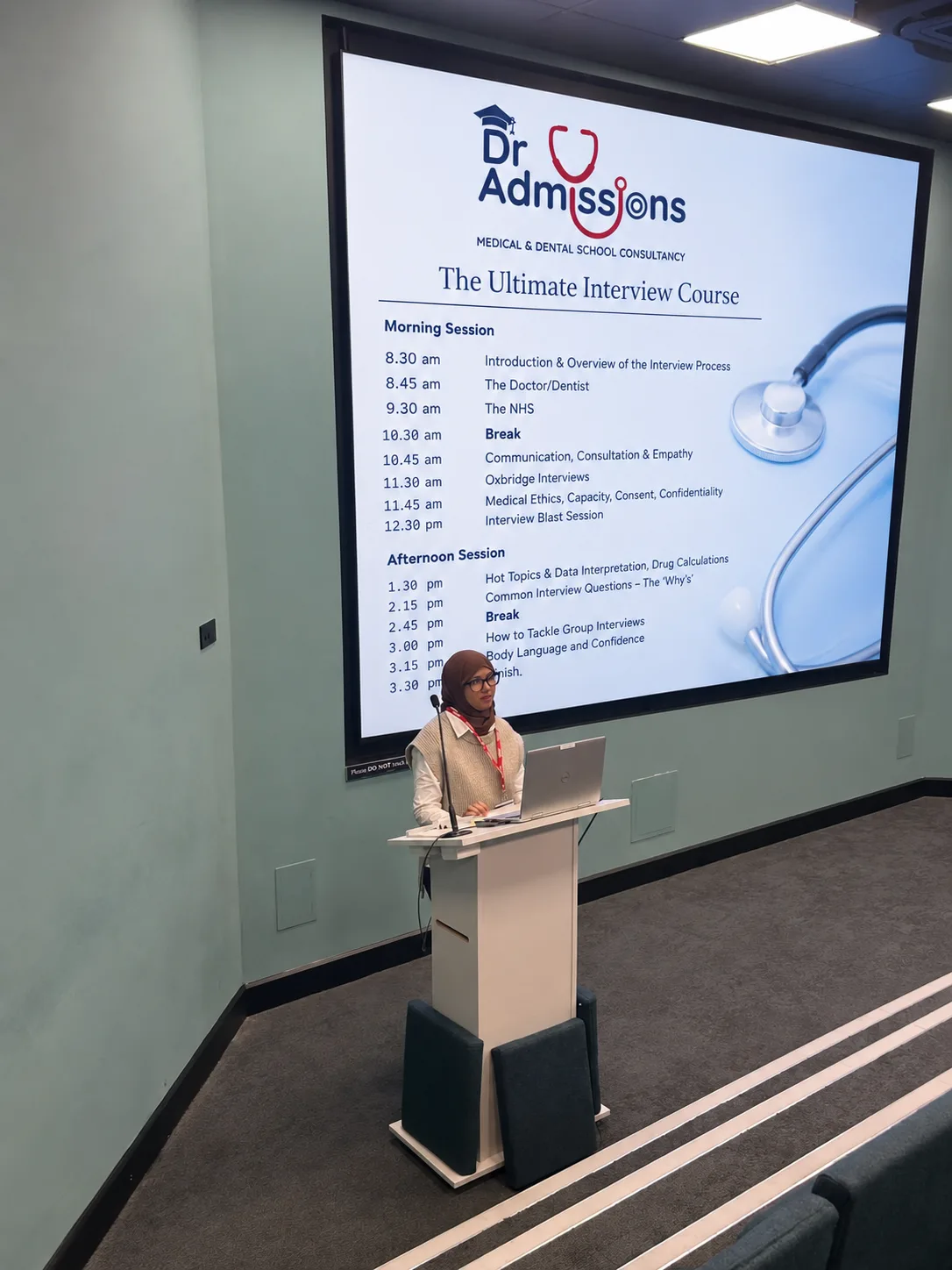
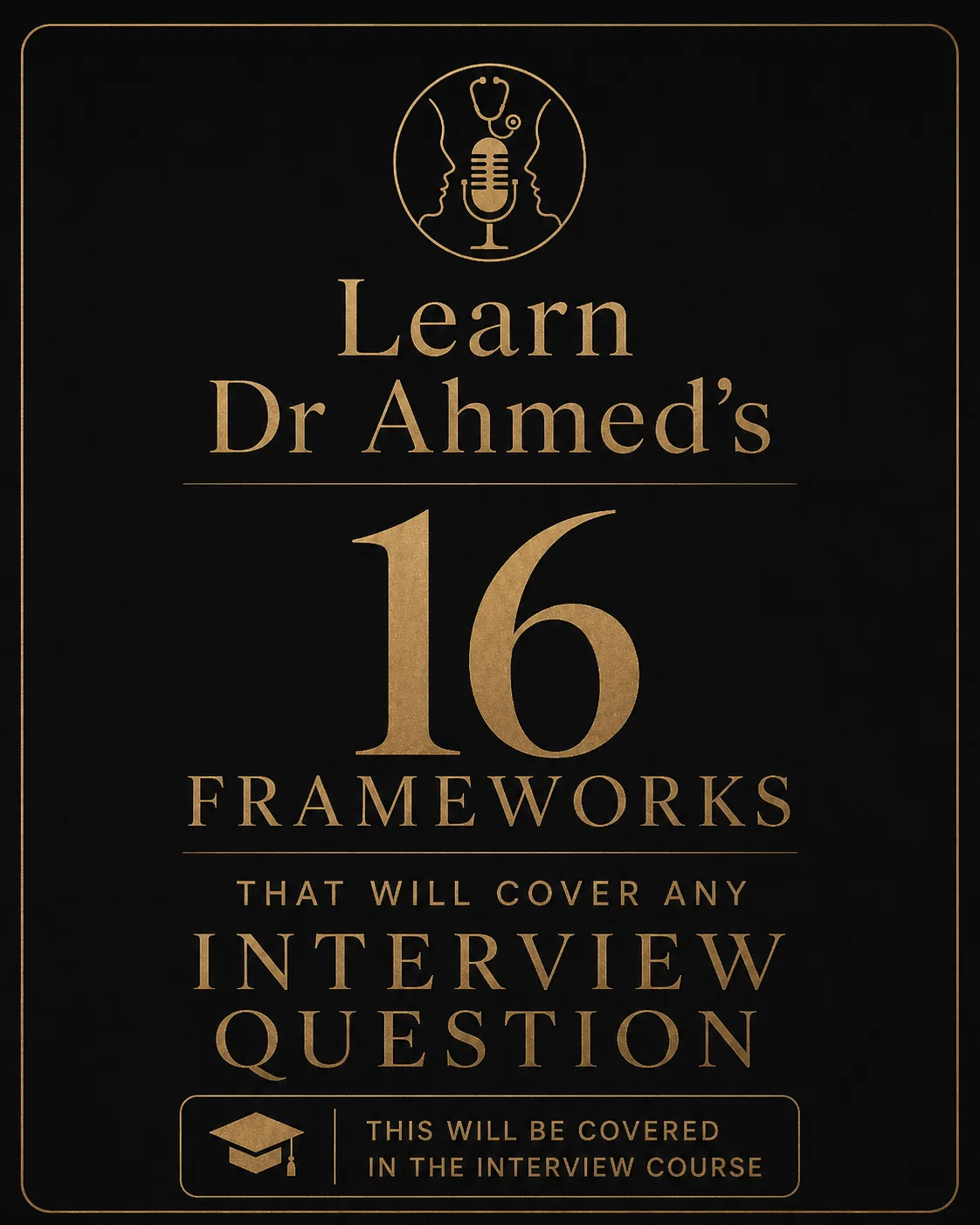
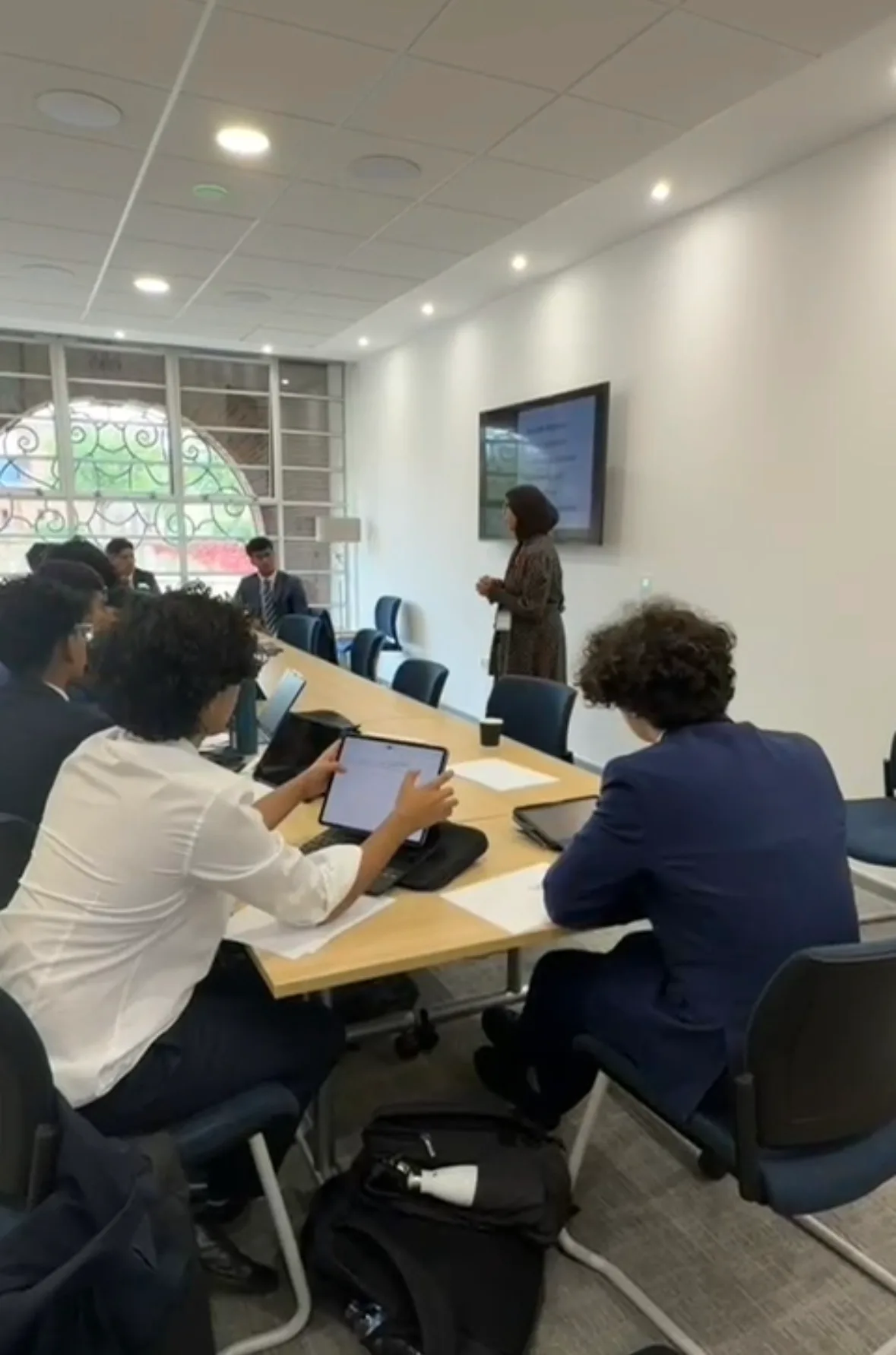
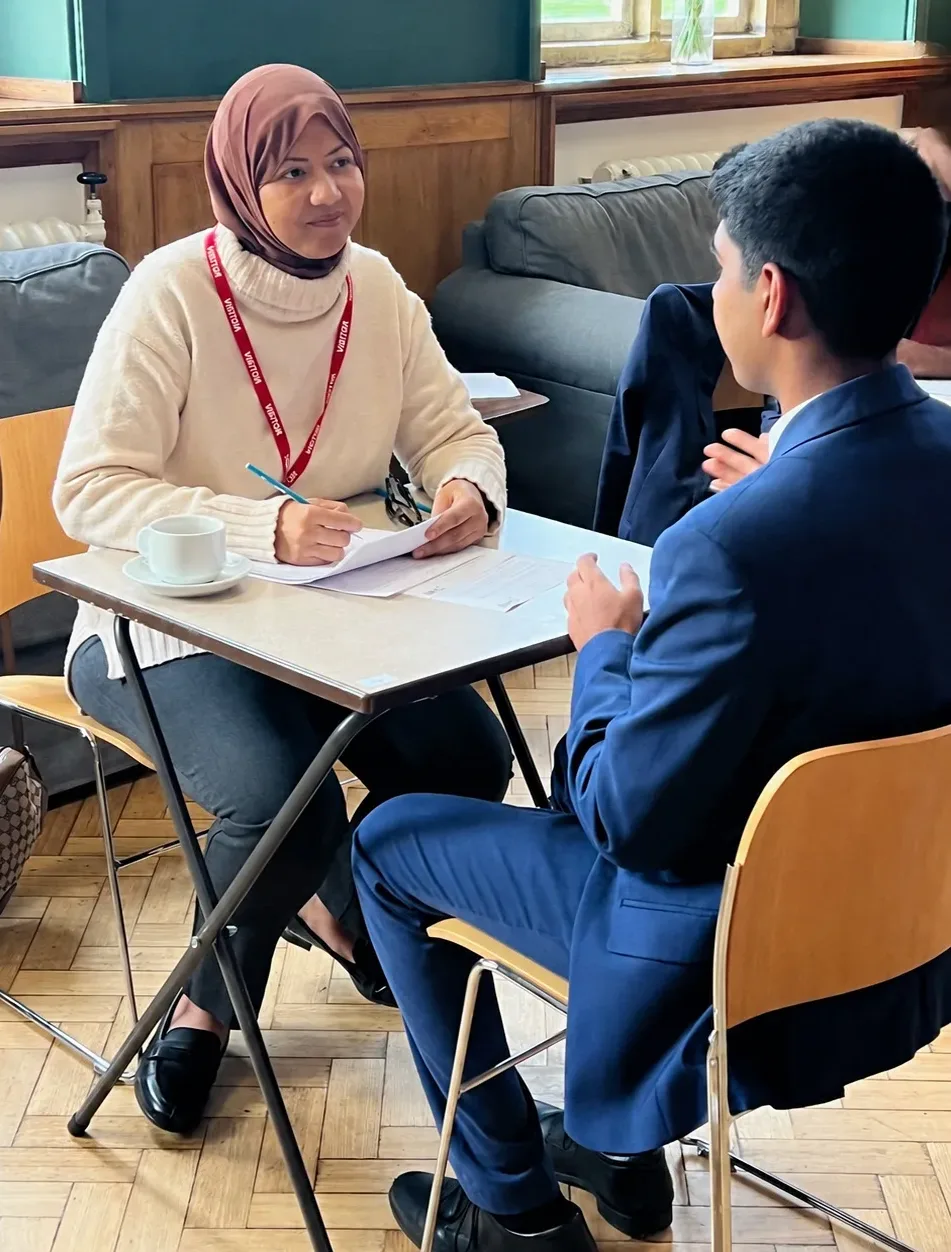
Their support with the interview preparation was equally valuable. They helped our daughter understand what to expect, build her confidence and prepare properly for the different styles of medical interviews. The guidance and practice made a real difference to her confidence going into such an important stage of the process.
Most importantly, the advice was tailored to our daughter rather than being a one-size-fits-all approach. Having experienced guidance throughout the application and interview process gave both our daughter and us much greater confidence.
We are delighted that her hard work, combined with the strategic advice and support from Dr Admissions, ultimately helped her secure a place to study medicine.
We would wholeheartedly recommend Dr Admissions to any parent and student considering applying to medical school. Their expertise, strategic approach and genuine support made what can be a very overwhelming process much more manageable.
Thank you to the whole Dr Admissions team for helping our daughter on her journey towards becoming a doctor!