
Getting an interview for medical school is a major achievement, although only one part of the admissions process it is probably the most important one before your final a-level exams. Once you receive an invitation, the next challenge is showing the university that you have the communication skills, motivation, ethical awareness and understanding of medicine/dentistry needed to succeed.
For many applicants, this is where a medical school interview course can make a real difference. However, not every course offers the same level of support. Some focus mainly on sample questions, while others provide personalised feedback, realistic mock interviews and structured guidance.
Many are run by students, who are not doctors or dentists or qualified teachers, they ave merely passed the interview process.
So, how do you choose the right course?
What Does a Medical School Interview Course Offer?
A good course should help you understand what medical schools are looking for rather than simply teaching you memorised answers.
Most reputable programmes cover areas such as:
- Motivation for studying medicine
- Communication and interpersonal skills
- Medical ethics and professionalism
- NHS-related topics and current healthcare issues
- Work experience and reflection
- Personal strengths and weaknesses
- Teamwork and leadership
- Problem-solving and critical thinking
- MMI and traditional interview formats
Effective medical interview preparation should also give you opportunities to practice speaking under pressure. Knowing what you want to say is very different from communicating your ideas clearly during an interview.
Look for Personalised Medical Interview Coaching
One of the most important factors to consider is whether the course provides model answers so that you know the standard required and the opportunity to gain individual feedback.
Watching videos or reading interview guides yourself can help you understand the basics, but they cannot tell you whether you are giving answers that are too long, lacking structure or failing to demonstrate reflection.
With personalised medical interview coaching, a qualified teacher can identify your weaker areas and help you improve them. For example, you may have excellent experiences from volunteering but struggle to explain what you learned from them. A good mentor can help you turn those experiences into clear, reflective answers without making them sound rehearsed.
Check Whether Mock Interviews Are Included
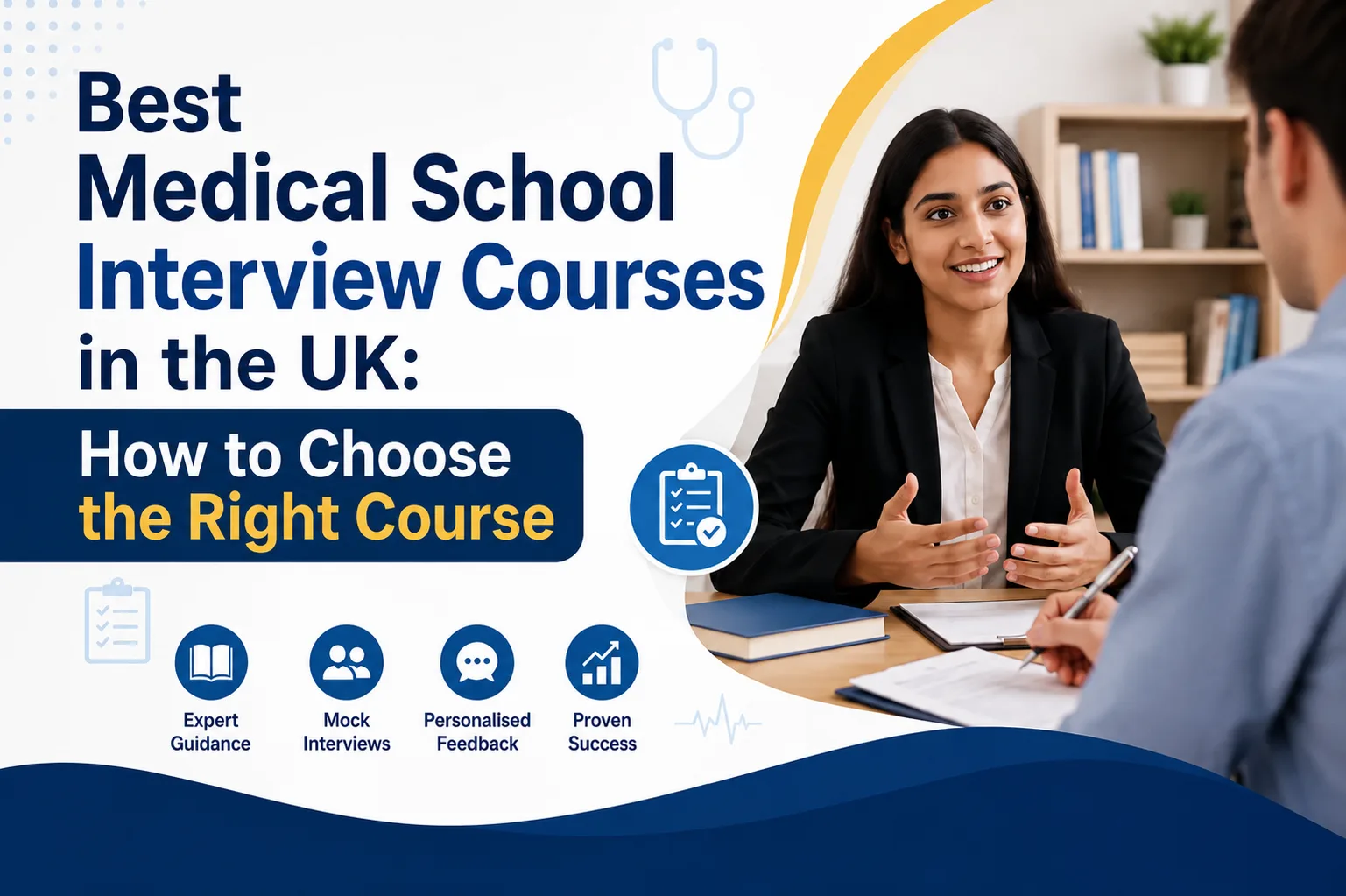
Practice is essential. A medical school mock interview allows you to experience the pressure of answering questions while someone is assessing your communication and reasoning.
Before choosing a course, find out:
- How many mock interviews are available?
- Are they conducted live?
- Will you receive detailed feedback?
- Are different interview formats covered?
- Can the mock interviews be adapted to your target universities?
Realistic practice is particularly valuable because interviewers may ask follow-up questions that you were not expecting. Learning to think clearly rather than relying on memorised scripts is an important part of preparation.
Consider the Tutor’s Experience
The quality of medicine interview tutoring depends heavily on the person providing it. Look for tutors who understand UK medical admissions and have experience helping applicants prepare for different interview styles.
A strong medical interview tutor should not simply provide a list of “perfect answers”. Instead, they should help you develop your own responses and explain why certain approaches are effective.
It is also worth checking whether the provider has genuine student feedback or testimonials. Transparent information about the course, tutors and teaching methods can help you make a more informed decision.
Doctors/Dentists are the ideal people to deliver interview courses as they live and breathe the profession and understand what qualities are needed. Doctors have the teaching qualifications and experience to deliver teaching at high standard using education principles and classroom experience.
The ultimate mentor is someone with first-hand experience as a former medical school interviewer. This insight can be invaluable, as they understand how interviews are assessed, what distinguishes stronger candidates, and the common mistakes applicants make. However, former interviewers remain bound by confidentiality obligations and will not disclose confidential questions, scoring materials, or internal admissions information. The real value lies in their experience, perspective and understanding of the interview process, not privileged information.
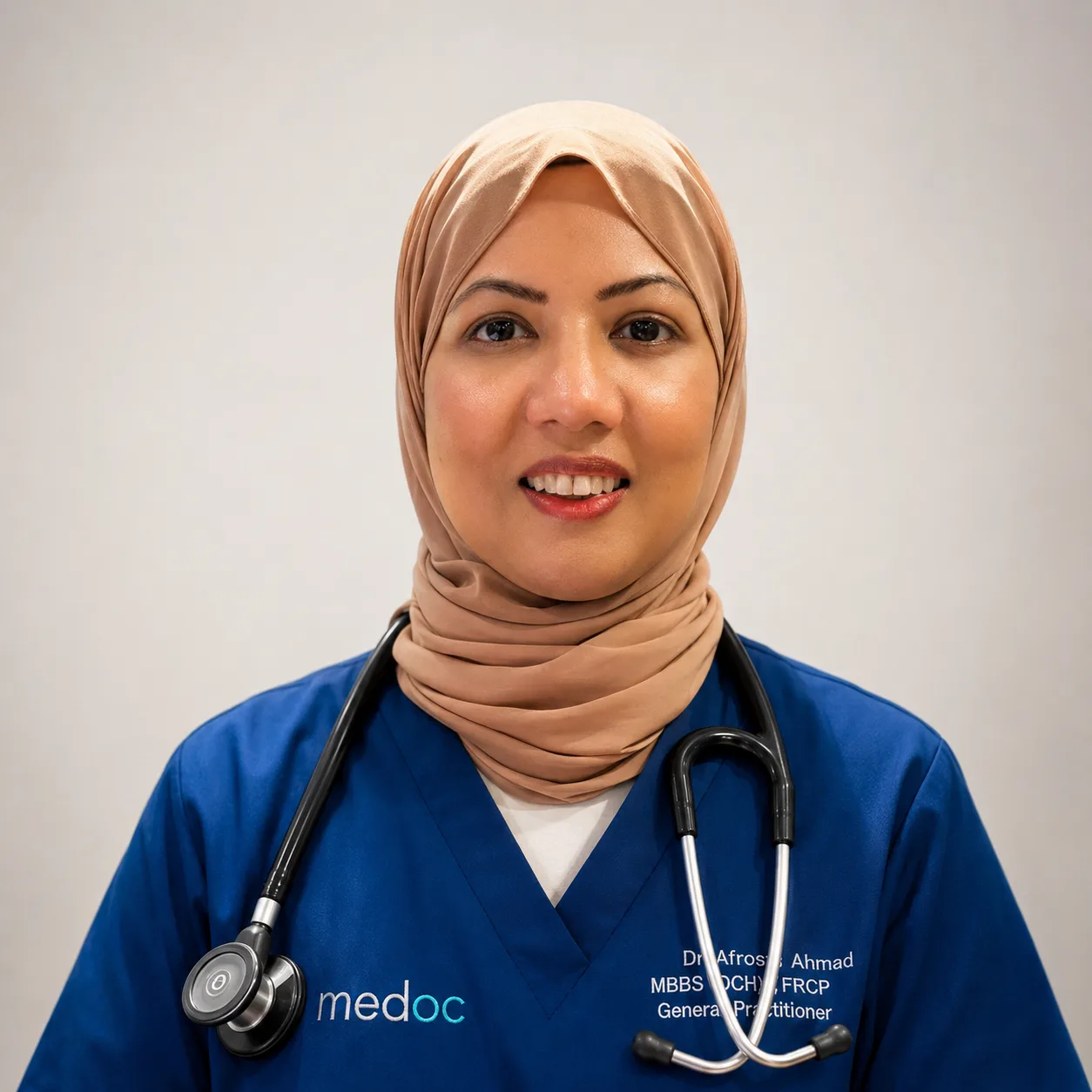
Dr Ahmed is therefore exceptionally well placed to provide expert medical interview coaching, combining first-hand interviewing experience with a detailed understanding of what admissions teams look for in successful candidates.
Avoid Courses That Promise Guaranteed Success
Be cautious of any medical school interview course that promises admission or suggests that learning a fixed set of answers will guarantee success.
Medical interviews are designed to assess how applicants think, communicate and respond to unfamiliar situations and on your feet. There is no reliable shortcut.
The best medical school interview preparation focuses on developing skills that you can use when faced with questions you have never seen before.
Is Online Interview Coaching Worth Considering?
Online preparation can be a convenient option, particularly if you have a busy school schedule and save time travelling with all your home resources at hand.
A well-designed online programme will include live tutoring, mock interviews, feedback sessions and interview resources without requiring you to travel. The key is to make sure that online teaching remains interactive rather than simply giving you recorded material to watch independently.
Choosing the Right Course for You
Before enrolling, compare courses based on the quality of teaching and the number of resources included.
Ask yourself:
- Does the course provide feedback?
- Will I complete realistic mock interviews?
- Does it cover MMI and traditional interviews?
- Are the tutors experienced in medical interviews, have they experience as an interviewer?
- Will I learn how to structure my own answers rather than memorise scripts?
At Dr Admissions, the aim of interview preparation should be to help applicants become more confident, thoughtful and effective communicators. The right support should complement your own preparation, not replace it.
Ultimately, the best course is one that is fully comprehensive does not take shortcuts and reinforced with a collection of resources. It is the one that identifies your individual weaknesses, gives you meaningful practice and helps you approach your medical interview with greater confidence and clarity. Dr Admissions 10 week interview course and 121 Mock MMIs will cover all this.
Got Questions? We’ve Got The Answers.
What is a medical school interview course?
A medical school interview course is a structured programme designed to help applicants prepare for the interview stage of medical school admissions. It may cover common interview topics, medical ethics, communication, motivation for medicine, work experience, NHS issues, MMI stations and panel interviews. The best courses also provide realistic practice and personalised feedback.
Is a medical school interview course worth it?
A medical school interview course can be useful if you want structured preparation, realistic interview practice or expert feedback on your answers. It can be particularly valuable if you are unsure how to approach MMI stations or find it difficult to communicate your ideas confidently under pressure. Most students have never faced a medical school interview which can be highly pressurising.
What should I look for in a medical interview course?
Look for a course that includes experienced tutors, in depth theory that teaches frameworks, additional resources top reinforce learning in your own time, realistic mock interviews, individual feedback and preparation for the interview format used by your medical schools. It should help you develop communication, reflection and reasoning skills rather than encourage you to memorise scripted answers.
What is the difference between medical interview coaching and tutoring?
Medical interview coaching generally focuses on improving your interview technique, communication, confidence and ability to respond to different scenarios. Medicine interview tutoring may take a broader approach, including explaining interview topics, discussing ethics and helping you understand what medical schools may assess. A strong programme like Dr Admissions combines both approaches.
How can I prepare for a medical school interview?
Start by researching the medical schools you have applied to and checking their interview format. Review your application and be prepared to discuss your experiences, motivation for medicine and understanding of the profession. You should also practise answering questions aloud and complete realistic mock interviews.
The Medical Schools Council recommends becoming familiar with the interview format and practising your answers, while avoiding overly rehearsed responses.
What is a medical school mock interview?
A medical school mock interview is a practice interview designed to replicate aspects of the real admissions interview. It can involve a traditional panel format or several MMI stations. A useful mock interview should include feedback afterwards so you understand what you did well and what you need to improve.
Do medical school interview courses prepare students for MMIs?
Many interview courses prepare students for Multiple Mini Interviews (MMIs). Preparation may include ethical scenarios, communication tasks, teamwork, role-play, data interpretation and questions about motivation or work experience. The Medical Schools Council’s mock MMI guidance includes several of these station types.
When should I start medical school interview preparation?
Ideally, start preparing as soon as you receive your UCAT result as you will not have time to cover all the material needed if you wait for an interview invite, on top of school work. This gives you enough time to research your universities, review your experiences, practice answering questions and identify areas that need improvement. Starting earlier also gives you time to complete several mock interviews without feeling overwhelmed and boost your confidence.
Can a medical interview tutor help improve my answers?
Yes. A good medical interview tutor can help you identify weaknesses in your answers, improve your structure and communicate your ideas more clearly. Rather than giving you answers to memorise, an experienced tutor should help you develop responses that reflect your own experiences and opinions.
Should I memorise answers for my medical school interview?
No. Memorising complete answers can make your responses sound unnatural and may make it harder to respond when an interviewer asks an unexpected follow-up question. It is better to understand the key points you want to communicate and practise discussing them naturally.
Medical Schools Council guidance specifically cautions against overly rehearsed responses and recommends preparing so that you can have a natural conversation during the interview.
Can online medical interview coaching be effective?
Yes. Online coaching can be effective when sessions are interactive and include live practice, feedback and realistic interview scenarios. It can also help applicants become comfortable communicating through video, which may be important when a medical school conducts interviews online.
How does Dr Admissions help with medical school interview preparation?
Dr Admissions provides structured support for applicants preparing for medicine and dentistry interviews. Preparation includes interview coaching, practice questions, mock interviews and guidance designed to help students communicate their experiences and ideas with greater confidence. The focus is on developing genuine interview skills rather than relying on memorised answers.
For 2026 entry Dr Admissions has 100% pass rate for those who attended a course and 121 mock interview they received at least on offer.